
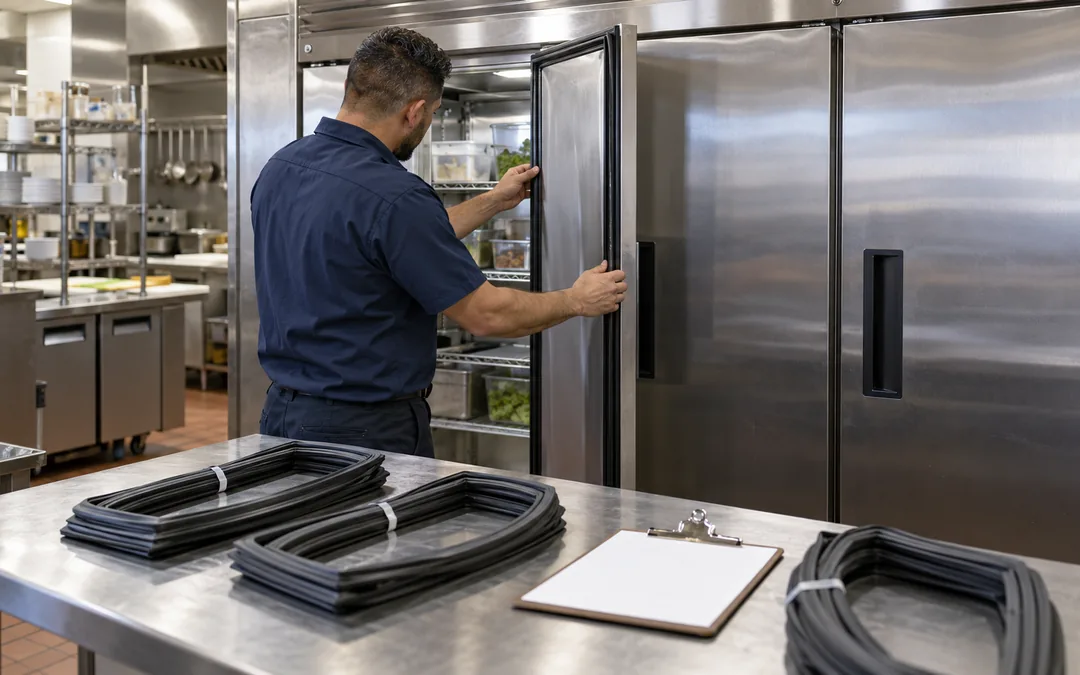
Running several restaurants means one worn gasket can turn into five separate problems. Each kitchen has its own coolers, reach-in units and prep tables, and each one needs a seal that fits and holds. A simple plan keeps every location cold, compliant and out of emergency repair mode. This guide shows how multi location operators across South Florida can organize gasket replacement, control costs and work with one trusted gasket partner.
Why Multi Location Gasket Care Is Different
A single restaurant owner can walk in and check the door. A group operator cannot. Managers change, staff turn over and small seal problems go unreported for weeks. Meanwhile, South Florida heat and humidity wear gaskets down faster than in most of the country. A seal that was fine in spring may be cracked by late summer. Without a shared process, one location pays for repeated emergency calls while another quietly loses money on energy. A written routine backed by one experienced service provider solves both problems.
Start With an Equipment Inventory
Begin by listing every cold unit at every site. Record walk in coolers and freezers, reach in refrigerators, prep tables and any other refrigerated doors. Note the brand, the model and the number of doors or drawers. Add the date of the last gasket change and any known problems. This simple record lets you spot patterns, such as one location replacing seals twice as often as the others. Because no universal gasket exists, a clear list also helps our technicians prepare the right custom fit gaskets before they arrive.
Set One Inspection Schedule
Pick a single schedule for every restaurant. Inspect gaskets at least every 12 months, and move to every 6 months for high traffic kitchens such as busy Miami dining rooms, commissary kitchens and catering operations. Ask managers to wipe seals monthly with mild soap and water and to report cracks, tears or mold right away. A quick paper test during opening checks tells you whether a door is sealing. Our Miami team can run the first round of inspections and give you a clear report for each site.
Group Locations by Area
Scheduling is easier when you group sites by service area. Miami Dade restaurants can be handled in one cluster, Broward locations in another and the Palm Beaches in a third. Grouping reduces wasted travel time and lets technicians complete several jobs in one trip. We serve Fort Lauderdale and Broward County as well as West Palm Beach, so a single provider can cover your whole route.
Plan Around Service Hours
Nobody wants a cooler door open during the dinner rush. Ask your provider to schedule work early in the morning, between lunch and dinner or after close. Gasket replacement is usually quick once the custom seal is ready, and flexible scheduling keeps your line moving. Parts are ordered through our supplier network and delivered to the site after approval, so you can line up several stores for the same week. When timing is tight, reach out to our team and we will work around your hours.
Standardize Quotes and Approvals
A clear approval process saves hours of back and forth. Decide who can approve repairs at each location and what dollar amount needs a manager or owner sign off. Ask for written estimates that list each door, drawer or lid by location. Our estimates are free, site visits carry no charge and we are available around the clock, which makes comparison easy. Send one request through our contact page and list every address so we can build a single plan.
Catch Related Problems at the Same Visit
A gasket visit is the perfect time to look at the rest of the door. Sagging hinges, weak latches and tired closers all hurt the seal, and they are easier to fix while the technician is on site. Check the kick plate, the floor near the threshold and any plastic curtain strips as well. Our parts and accessories service covers hinges, latches, door closers and thermometers, while our door replacement service handles doors that are warped, cracked or no longer closing flush.
Track Results and Costs
Keep a simple log for each restaurant. Write down the date, the unit, the work done and the cost. Review it every quarter. If one location shows frequent seal failures, look at door traffic, cleaning habits and equipment age. A failing gasket can raise energy costs by up to 20 percent and strain the compressor, so tracking repairs often pays for itself through lower utility bills and fewer food losses. Read more operator tips on our blog.
Protect Health Inspection Results
Health inspectors look at cold holding temperatures, clean seals and doors that close tightly. Gasket folds can hold bacteria that routine cleaning misses, and a leaking seal can leave food above safe temperatures. Regular replacement across every site helps each kitchen stay ready for visits. Our team has experience with health and safety code compliance and can explain what inspectors tend to notice. See what other operators say on our reviews page.
Build a Preferred Vendor Process
Group operators save the most time when one vendor handles every site the same way. Share your equipment list, your approval rules and your preferred service windows once, then let the vendor follow that plan. A single point of contact means managers do not have to chase quotes or explain the same problem five times. Our about page explains how our experienced team works with restaurants, grocery stores and medical facilities, and you can request an estimate for every address in one message.
Ask your service provider for a short written report after each visit that lists what was inspected, what was replaced and what should be watched next. These reports feed the log you keep for each restaurant and make quarterly reviews quick and useful.
Handle Emergencies Without Chaos
Even with a good schedule, a seal can fail on a Saturday night. Decide ahead of time who calls the service team, what information they should share and where the equipment details are stored. Keep the unit number, the location and a photo of the problem ready to send. Because we are available around the clock, a prepared manager can get help moving much faster. Our gasket service is built for exactly these moments, and a quick call to our Miami office starts the process.
Train Managers on Daily Checks
The cheapest repair is the one you catch early. Teach opening managers to look at each door seal, run the paper test once a week and write down anything unusual. Show them what frost, torn corners and mold look like. A two minute habit at each location prevents many expensive surprises. For reference material and visual tips, point managers to our blog and encourage them to call our West Palm Beach team whenever something looks wrong.
Next Steps
Start small. Pick two or three locations, build the equipment list and run the first round of inspections. Review the reports, compare costs and adjust your schedule. Once the process feels smooth, roll it out to every restaurant in your group. Our Fort Lauderdale team and West Palm Beach team are ready to support each stage, and you can send your location list whenever you are ready to begin.
Frequently Asked Questions
Can one company handle gasket replacement for all my restaurants?
Yes. We serve Miami, Fort Lauderdale and West Palm Beach, so one team can cover every location on your list. View our service areas to confirm your addresses.
How often should multiple locations inspect gaskets?
At least every 12 months, or every 6 months for high traffic kitchens. Monthly cleaning with mild soap and water also helps. Our gasket service page explains the routine.
Do you offer free estimates for several sites?
Yes. Estimates are free, site visits carry no charge and we are available around the clock. Send us your list to begin.
Why can I not order one standard gasket for every location?
A universal cooler gasket does not exist because equipment varies by brand, model and age. We measure and fabricate each seal for a proper fit.
Can you work outside normal business hours?
We offer flexible scheduling so repairs do not interrupt service. Early mornings and late nights are common choices. Our Miami team can suggest a time that suits each kitchen.
What other equipment do you service besides gaskets?
We replace doors, hinges, latches, closers and thermometers, install plastic curtain strips and repair floors with diamond plate options. See all services for details.
How do I reduce energy costs across all locations?
Replace failing seals quickly, keep doors aligned and use curtain strips on walk in openings. A failing gasket alone can add up to 20 percent to cooler energy costs. Our curtain strip service helps hold cold air in.
What types of businesses do you serve?
We serve restaurants, grocery stores, convenience stores and medical facilities. Learn more about our company.